
Frequent questions
If you have diabetes and you’re sick or your blood sugar is 250 mg/dL or above, you’ll need to check your blood sugar every 4 to 6 hours and check your urine for ketones. Ketone test kits are affordable and widely available over the counter to check your ketones at home. You should also test for ketones if you have any of the symptoms of DKA. This is a medical emergency that needs to be treated immediately. Alcoholic ketoacidosis is the buildup of ketones in the blood due to alcohol use. Ketones are a type of acid that form when the body breaks down fat for energy.
What are the symptoms of high ketones?
5, 12 Such accumulation is caused by the complex interaction stemming from alcohol cessation, decreased energy intake, volume depletion, and the metabolic effects of hormonal imbalance. The Recovery Village Cherry Hill at Cooper offers comprehensive addiction treatment for drug and alcohol addictions and co-occurring mental health conditions. The Recovery Village Cherry Hill at Cooper provides both inpatient and outpatient detox and rehab. We are here to help you and those you love recover from addiction and begin a healthier, alcohol-free future. Contact us to learn more about alcohol addiction treatment programs that can work well for your needs in recovery. You should have regular appointments with your healthcare provider when taking SGLT2 inhibitors.

Table of Contents
If you can’t eat for a day or more, your liver will use up its stored-up glucose, which is a type of sugar. When your liver uses up its stored glucose and you aren’t eating anything to provide more, your blood sugar levels will drop. AKA is a serious syndrome that develops in individuals with alcohol use disorder (AUD) due to prolonged malnutrition and dehydration. 2 This typically arises when individuals substitute alcohol for proper nutrition or experience persistent vomiting following alcohol binges, preventing adequate food and fluid intake.
- It’s not just about medical intervention, but also about making lasting lifestyle changes to prioritize health and well-being.
- By taking proactive steps to prioritize health and well-being, individuals can work towards preventing this serious condition and improving their overall quality of life.
Can We Diagnose Diabetic Ketoacidosis?
Having ketones means your body is using its backup energy source — fats. Levels that are too high can put you at risk of a potentially fatal complication called diabetes-related ketoacidosis (DKA). Alcoholic ketoacidosis is a condition that can happen when you’ve had a lot of alcohol and haven’t had much to eat or have been vomiting. When this happens, it can cause ketones, which are acids, to build up in your blood.
- The Recovery Village Cherry Hill at Cooper provides both inpatient and outpatient detox and rehab.
- Generally, the physical findings relate to volume depletion and chronic alcohol abuse.
- Patients are usually tachycardic, dehydrated, tachypneic, present with abdominal pain, and are often agitated.
- Ketones in your blood or urine indicate that your body is burning fats instead of glucose for energy.
In cases where alcohol consumption is suspected as the cause, doctors will consider this information alongside clinical symptoms. It is important for individuals experiencing symptoms of AKA to seek medical attention promptly in order to receive an accurate diagnosis and appropriate treatment. Treatment for alcoholic ketoacidosis often involves hospitalization, intravenous fluids to correct dehydration and electrolyte imbalances, and close monitoring of blood glucose and ketone levels. In severe cases, individuals may require intensive care and support to manage complications such as respiratory distress and organ failure. Once stabilized, individuals may also benefit from counseling and support to address underlying issues related to alcohol abuse. People with alcohol use disorder are at risk of alcoholic ketoacidosis.
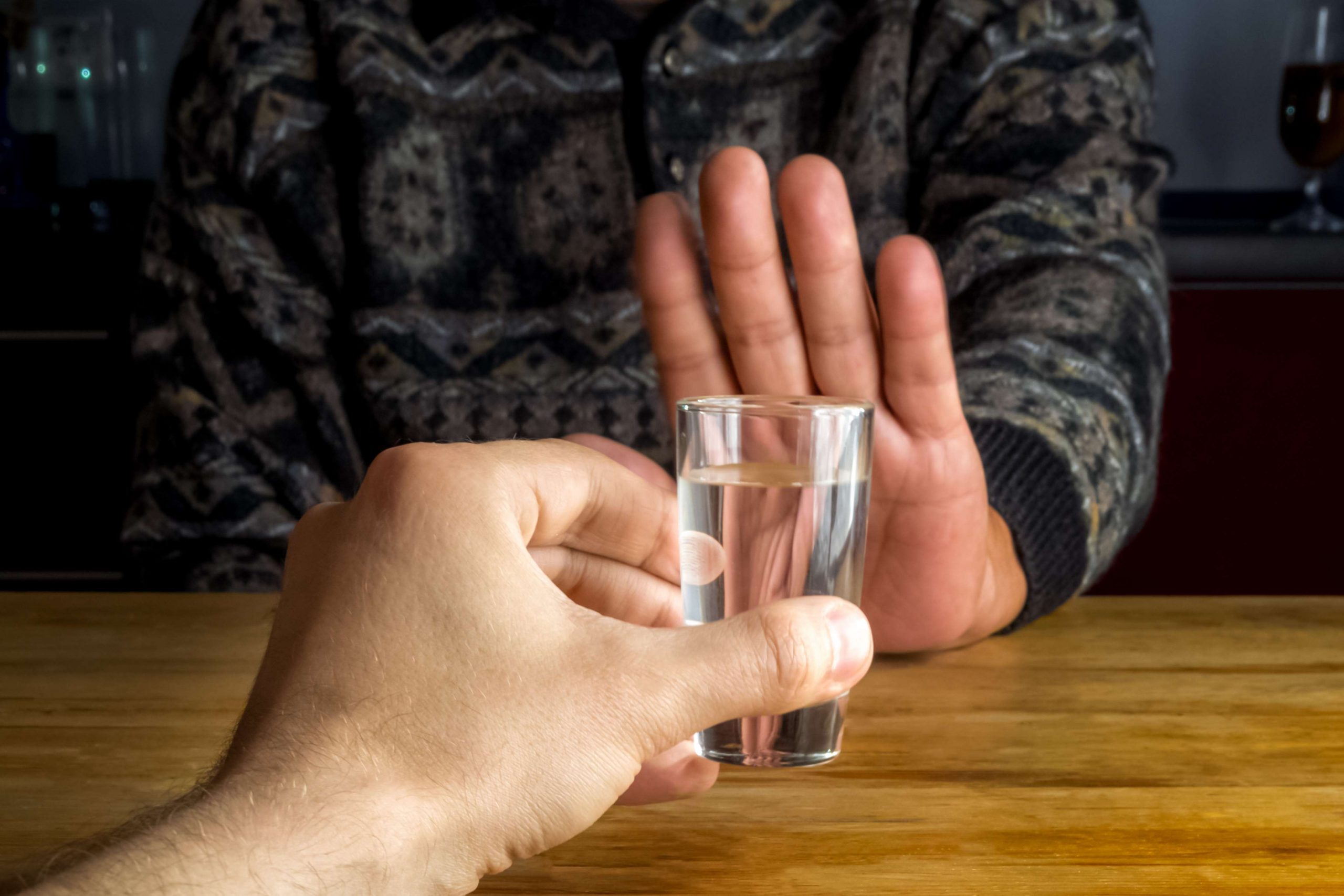
This fluid not only helps to rehydrate, but the glucose component also helps to break the cycle of ketone production, promoting insulin secretion and improving the acidosis. Development of any of these symptoms of Alcoholic Ketoacidosis require an emergent evaluation and treatment to prevent any life threatening complications. Additionally, vomiting caused by excessive drinking also results in loss of vital nutrients and electrolytes from the body such that the body is not able to function normally.
Healthcare providers should verify all information against primary literature and current practice standards before application in patient care. Dr.Oracle assumes no liability for clinical decisions based on this content. Problems with insulin cause your blood sugar levels to rise (hyperglycemia) and can cause too many ketones to build up in your blood. DKA is more common in people with Type 1 diabetes but can happen with Type 2 diabetes, too. The prognosis for alcoholic ketoacidosis is good as long as it’s treated early.
Alcoholic ketoacidosis doesn’t occur more often in any particular race or sex. AKA is characterized by acidosis of the blood, dehydration, and low blood glucose levels. 2 Each of these factors requires urgent treatment in the https://soulfactors.com/blog/myth-vs-reality-5-common-misconceptions-about/ emergency room, and when combined, the risk to the individual’s health is even greater.
- If you have a ketone meter and it shows high ketones while you feel unwell, don’t try to manage this at home.
- Alcoholic ketoacidosis (AKA) is a serious metabolic condition that can arise from excessive alcohol consumption combined with inadequate food intake.
- Routine clinical assays for ketonemia test for AcAc and acetone but not for β-OH.
Personalized Addiction Care in New Jersey
The decreased insulin-to-glucagon ratio that occurs in starvation indirectly reduces the inhibition on CAT activity, thereby allowing more free fatty acids to undergo oxidation and ketone body formation. The hallmark of AKA is ketoacidosis without marked hyperglycemia; the serum glucose level may be low, normal, or slightly elevated. 4 This finding can help to distinguish AKA from Drug rehabilitation diabetic ketoacidosis (DKA).
It’s normal (and safe) to have some ketones in your blood because it’s normal for your body to use its backup energy source — fats — when there’s not enough usable glucose. Ketones, or ketone bodies, are acids your body makes when it’s using fat instead of glucose for energy. Your body gets most of its energy from glucose, a sugar that mainly comes from carbohydrates in your diet. If you don’t get enough energy from alcoholic ketoacidosis glucose, your body breaks down fats for energy instead. The breakdown releases ketones that travel through your bloodstream.
Related posts