
Frequent questions
Again, it’s more like a codependent relationship with the bottle in which they cannot leave but it kills them to stay. In fact, it is based on dysfunctional needs and a lack of love or respect for self in the same way active alcoholism is. In a codependent relationship, the significant other or family member is treated as a means to an end (a hostage or a drug), rather than a feeling, thinking human being. Even if the word love may be thrown around a lot, it is typically used as a tool for manipulation or victimization, and therefore feels more like a weapon than a term of endearment.
- You must develop new skills, repair broken relationships, and build healthy coping mechanisms instead of responding emotionally to triggers.
- This type of treatment is effective because it focuses on changing unhealthy behaviors rather than simply treating the underlying causes of those behaviors.
- Some individuals experience substance codependency, which means they may have an unhealthy relationship with drinking but depend on alcohol to help them cope with their problems.
Alcohol and drug use can create profound rifts within families, making the process of supporting a recovering alcoholic a delicate task. The phrase ‘raging alcoholic’ speaks not only to the intensity of their addiction but also to the emotional turmoil that often accompanies it. As a supportive family member, recognizing and empathizing with these struggles in recovery is vital.
- Navigating relationships while in addiction recovery can be both rewarding and challenging.
- However, unhealthy dynamics—such as co-dependency and enabling behaviors—can signal potential relapse, hindering recovery efforts.
- Mutual trust and honesty are cornerstones in these relationships, fostering a safe space to share struggles and successes.
Building a Network of Understanding Supporters
Learning how to love again or for the first time takes work, and it takes more than merely getting sober. Personal growth, healing, and spiritual reconnection are all necessary parts of the process. They are expressions of love in action toward self, and the journey forward is about learning to love you. However, alcohol rehabilitation facilities and therapists can provide hope and renewed perspective through programs designed to provide guidance and recovery. These programs are designed to allow those struggling with an addiction to manage their symptoms and live a life free of addiction. At times, those struggling with it may blame others for their drinking when they are stressed, pressured, or worried.

KARLIE ROSHONG – Clinical Manager
In conclusion, alcoholism can devastate relationships, affecting communication, trust, intimacy, and more. In that case, seeking professional help and addressing the underlying issues is essential to prevent further damage to your relationships. Recovering individuals must be vigilant against codependency, where emotional reliance on partners can overshadow personal needs and inhibit growth.
Why An Alcoholic Cannot Love: Impact Of Alcohol Abuse On Relationship
Those who seek professional help for their substance use issues may initially go through an acute program such as alcohol rehab to get medical assistance through withdrawal symptoms. Next, the individual will work with a mental health professional to identify root causes, heal trauma, and learn healthier coping mechanisms to deal with stress. In addition to healthy coping mechanisms, a therapist can help https://gctruckrentalspot.com/boston-sober-detox-treatment-centers-sober-living-2/ with the individual’s ability to build and maintain healthier relationships. In addition to therapy, many are also recommended to a support program such as alcoholics anonymous for group support. A holistic approach is often used in treatment, with medical, psychological, and social support being important pieces of the whole. Studies show that supportive relationships with family and friends are linked to lower rates of substance use.
How Do I Find Treatment for Alcoholism and Relationships Issues?

Whether you’ve been in recovery previously or this is your first attempt, why should they believe you now? How many times have you told them that this time things will be different? The more often this happens, the harder it is for the important people in your life to trust that this time really will be different. Originally from Boca Raton, Florida, Danny moved to Denver to study at the University of Colorado and earned a master’s degree in counseling. Danny spent the first nine years of his career working in youth residential treatment.
People around you may say you should leave your partner, and people in your life may isolate themselves from you, as well as your partner. This isolation may make you feel ignored, invisible, or rejected by those you love. While it is a personal choice to stay with someone who has an addiction, it may help to gain a further understanding of what your partner is doing when they choose to drink.
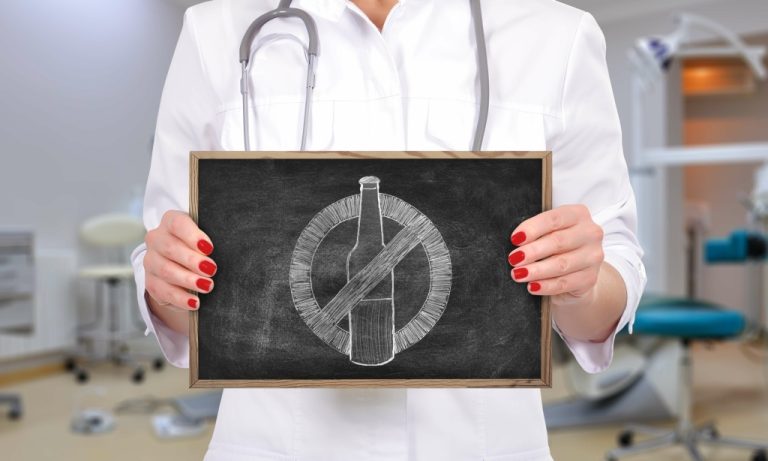
You increase your chances of staying sober
Healthy relationships, which include friends, family, and romantic partners, can offer the encouragement and accountability necessary to stay on the recovery path. This article explores how past relationships affect recovery, the role of communication and trust, and the risks and benefits of engaging in romantic relationships during sobriety. Additionally, we discuss strategies for maintaining healthy interactions and recognizing toxic dynamics while emphasizing the importance of personal growth in the recovery process. It’s heartening to note that many alcoholics do recover, and the path to recovery often involves dealing with extreme mood swings, emotional upheaval, and the need for understanding and empathy. As individuals navigate recovery, maintaining healthy relationships can significantly improve emotional support and resilience against relapse.
Conclusion: Prioritizing Recovery Through Healthy Relationship Management
Self-awareness is essential; individuals must acknowledge their feelings and the relationship’s toxic nature. Moreover, engaging in therapy can provide guidance to effectively navigate challenges. Building a strong support network can enhance resilience, ensuring healthier connections and reducing the risk of falling into toxic relationships again. Navigating relationships in early recovery necessitates putting sobriety first and ensuring that personal health and growth remain at Sober living house the forefront.
Relationships with people who understand the uphill battle relationships in recovery of maintaining sobriety can provide encouragement and accountability. On the other hand, remaining connected to individuals who still engage in substance use can significantly hinder recovery efforts. Such interactions may entice individuals back into old habits, making it challenging to focus on personal growth. Personal growth, communication, and trust are essential in relationships during recovery because they create a supportive environment that fosters emotional stability and self-awareness. Healthy relationships provide accountability and encouragement, reducing stress and enhancing overall mental health.
Related posts