
Турниры в Pinco casino: как выиграть и получить призы в 2026 году
The evolution of casinos tracing their fascinating history
The Origins of Gambling
The history of gambling dates back thousands of years, with evidence found in ancient civilizations such as Mesopotamia, where clay tablets depict games of chance. Archaeological findings indicate that the Chinese were using rudimentary gambling tools as early as 2300 BC. These early forms of gambling laid the groundwork for the evolution of what would become modern-day casinos. For a modern experience, you can visit 28Mars Casino Australia, where the motivations behind these games were both entertainment and a form of divination, as the ancient peoples sought insights into the future.
As societies evolved, so did the forms of gambling. The Romans famously enjoyed games involving dice, often played at gatherings and in social settings. The concept of chance was seen as intertwined with fate, which added a spiritual layer to the activity. In this way, gambling became not only a pastime but also an integral part of cultural rituals, reflecting the values and beliefs of the time.
By the Middle Ages, gambling had transcended its initial societal roles and began to take on more structured forms. The first recorded gambling houses opened in Italy during the 17th century, signaling the advent of the modern casino. These establishments catered to the aristocracy, establishing a connection between wealth and the gaming world that would persist throughout history.
The Birth of the Modern Casino
The transition from informal gambling to organized establishments marked the birth of the modern casino. The first official casino, the Casino di Venezia, was established in 1638 in Venice, Italy. It offered a variety of games and quickly became a hub for the elite. This innovation allowed for greater regulation and the development of gaming laws, fostering a safer environment for patrons and creating a blueprint for future casinos worldwide.
As gambling gained popularity, other nations followed suit. France opened its own casinos, which featured games like baccarat and roulette, further shaping the gaming landscape. The French casino model emphasized not only gambling but also dining and social interaction, transforming these establishments into multifaceted entertainment venues. This dual focus on gaming and leisure became a hallmark of casinos in the modern era.
By the late 19th century, casinos expanded beyond Europe to destinations such as Monte Carlo and Las Vegas, attracting tourists and locals alike. The glitz and glamour of these locations redefined the gambling experience, turning casinos into symbols of luxury and indulgence. They also served as a magnet for innovation, with new games and technology continuously evolving to enhance the player experience.
The Rise of Online Gambling
The late 20th century marked a significant turning point in the gambling industry with the advent of the internet. Online casinos began emerging in the mid-1990s, offering a new platform for players to engage in gambling from the comfort of their homes. The ability to play casino games with just a click of a button transformed the landscape, making gambling more accessible than ever before. This era also saw the introduction of various new games, expanding the traditional offerings available in brick-and-mortar casinos.
With the rise of online casinos came innovations in technology, including live dealer games that replicate the in-person experience. Players can now interact with real dealers via video streaming, adding a social element that mirrors traditional casinos. Additionally, the incorporation of mobile gaming has revolutionized how people gamble, allowing them to engage in their favorite games anytime and anywhere, further driving the industry’s growth.
While online gambling has garnered its share of controversies, including concerns about addiction and regulation, it has undeniably changed the way society views casinos. The digital world has created opportunities for responsible gaming initiatives and tools to help players monitor their spending, a crucial aspect of modern gambling culture. The online casino sector continues to grow, adapting to emerging technologies like virtual reality, which promise to further enhance the gaming experience.
The Cultural Impact of Casinos
Casinos have always held a unique place in popular culture, often portrayed as glamorous yet dangerous locations. Movies like “Casino Royale” and “Ocean’s Eleven” depict high-stakes games and intrigue, captivating audiences with the allure of risk and reward. This representation has contributed to a romanticized view of gambling, where winning is often seen as a testament to skill and luck rather than a game of chance.
Moreover, casinos often serve as social hubs, where individuals come together to celebrate, socialize, and share experiences. The environment created within these establishments fosters a sense of community among players, providing not just a place to gamble but also a venue for entertainment. Events, concerts, and dining options within casinos further enhance their cultural significance, making them major attractions in many cities around the world.
However, the portrayal of casinos in media also raises important questions about the impact of gambling on society. Issues such as addiction and financial ruin are realities for some individuals, leading to discussions about responsible gaming practices. As casinos continue to evolve, balancing entertainment and social responsibility remains a crucial challenge within the industry, shaping how they are perceived both culturally and socially.
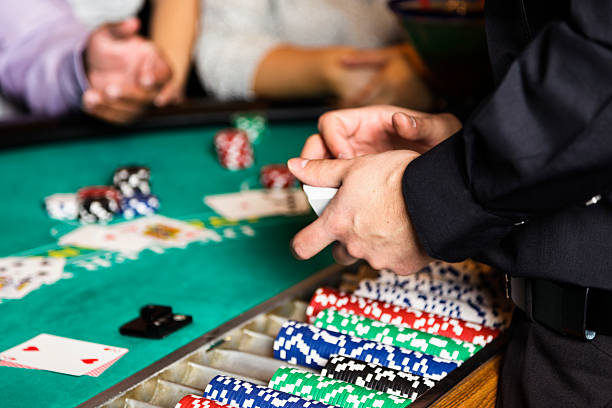
28Mars Casino: A Contemporary Gaming Experience
As the casino landscape evolves, platforms like 28Mars Casino are at the forefront of the online gambling industry in Australia. Catering specifically to Australian players, 28Mars offers a diverse selection of games, including pokies, live dealer options, and sports betting. The site’s commitment to providing a tailored experience is evident in its use of AUD for transactions, catering to local preferences.
28Mars Casino goes beyond just gaming by offering a tiered VIP rewards program, incentivizing players to engage with their platform regularly. Promotions such as welcome bonuses and free spins enhance the gaming experience, making it an exciting place for both new and returning players. The platform’s user-friendly interface, optimized for desktop and mobile use, allows players to enjoy their favorite games anytime, anywhere in Australia.
In conclusion, the evolution of casinos—from ancient rituals to contemporary online platforms—highlights the enduring appeal of gambling as a form of entertainment. As technology advances, platforms like 28Mars Casino demonstrate that the future of gaming is bright, providing engaging and responsible options for players while honoring the rich history that has shaped the industry over centuries.
Related posts