

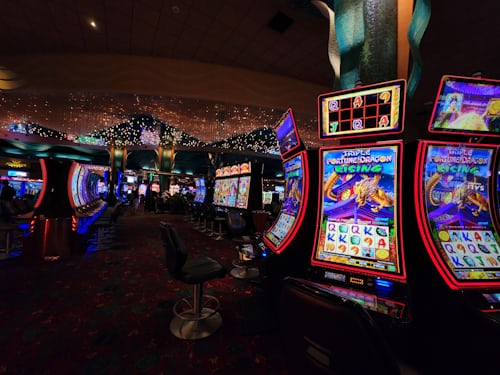
Exploring technological advancements shaping the future of gambling
The evolution of gambling Unraveling its historical significance
Ancient Beginnings of Gambling
Gambling dates back thousands of years, with evidence of betting activities in ancient civilizations such as Mesopotamia, China, and Egypt. Archaeological findings reveal that dice made from animal bones were used in games of chance as far back as 3000 BC. These early forms of gambling were often linked to religious practices, where dice games were utilized to divine outcomes or seek favor from the gods. Thus, gambling became intertwined with cultural and spiritual beliefs, marking its significance beyond mere entertainment. You can find more about this intriguing world at zoccercasino-au.com.
In ancient China, the game of chance known as Keno emerged around 200 BC, a precursor to modern lotteries. This game was used to fund the construction of the Great Wall, illustrating how gambling was harnessed for societal benefit. Similarly, in Rome, betting on gladiatorial contests reflected the societal values and the thrilling nature of competition. These examples highlight how gambling has historically served not only as amusement but also as a means of resource allocation and community engagement.
As time progressed, gambling began to evolve, with various regions developing unique games that reflected their cultures. The introduction of card games in the 9th century in China laid the groundwork for many modern gambling practices. The spread of these games across Asia and later to Europe during the Middle Ages marked a pivotal transition in gambling’s evolution, establishing a foundation that would lead to the more organized gaming establishments we see today.
Gambling in the Middle Ages
During the Middle Ages, gambling became more organized, particularly in Europe. The introduction of playing cards around the 14th century revolutionized the gambling landscape, leading to the popularity of games like poker and blackjack. These games captured the public’s imagination, allowing gamblers from all walks of life to participate in both social and competitive environments. As gambling became more mainstream, it began to attract the attention of authorities concerned about morality and public welfare.
The establishment of gaming houses in cities across Europe marked a significant milestone. These venues offered structured gambling experiences, with rules and regulations designed to protect both the house and the players. However, the rise of gambling also led to significant societal concerns. Laws were enacted in various countries to curb gambling excesses, reflecting a growing tension between the allure of gambling and the need for social order. This duality would continue to shape gambling practices for centuries.
In this era, gambling was not just a pastime but also a reflection of social hierarchies. The wealthy often frequented high-stakes games while the lower classes participated in simpler betting activities. This stratification created an intriguing dynamic where gambling became a way to challenge social norms and redistribute wealth, albeit in an often unpredictable manner. The Middle Ages set the stage for gambling’s ongoing complexity, blending entertainment with significant social implications.
The Birth of Modern Casinos
The 17th century ushered in the era of modern casinos, with the establishment of the first official casino, the Ridotto, in Venice, Italy, in 1638. This marked a pivotal moment in gambling history, as it provided a controlled environment for various games. The Ridotto showcased a range of games, offering patrons a level of sophistication previously unseen in gambling establishments. It also laid the groundwork for the casino culture that would flourish in Europe and later in America.
As the 18th century progressed, gambling became synonymous with sophistication and luxury, particularly in France, where the concept of the casino evolved further. The famous Casino de Monte-Carlo opened in Monaco in the mid-19th century, attracting a wealthy clientele and solidifying the casino’s status as a luxury destination. This transformation reflected broader societal changes, as gambling became a hallmark of high society, appealing to those seeking excitement and a break from the routine of daily life.
By the late 19th century, the gambling landscape was undergoing rapid changes, particularly in the United States. The gold rush fueled gambling in the West, with saloons and gaming houses popping up in towns across the frontier. The establishment of Las Vegas as a gambling hub in the 20th century marked a revolutionary moment in the industry. Casinos began to thrive, offering elaborate entertainment, dining, and accommodations, thus transforming gambling from a simple pastime into a significant economic engine.
The Digital Revolution and Online Gambling
The late 20th century heralded a new era for gambling with the advent of the internet. Online gambling platforms emerged in the 1990s, drastically changing how players engaged with their favorite games. The convenience of playing from home allowed for unprecedented access to a wide variety of games, from poker to slots, appealing to a broader audience. This shift not only increased participation rates but also introduced new challenges, including concerns about regulation and responsible gambling practices.
The introduction of live dealer games online was another significant advancement. By blending the interactive experience of physical casinos with the convenience of online platforms, players could enjoy the thrill of real-time gambling without leaving their homes. This innovation attracted a younger demographic, further reshaping the gambling landscape. As technology continues to evolve, so too do the opportunities and challenges within the gambling industry.
Despite its benefits, the rise of online gambling has also sparked debates about addiction and responsible gaming. Many jurisdictions have implemented measures to promote responsible gambling, such as self-exclusion programs and limits on deposits. These measures are crucial for fostering a healthy gambling environment, ensuring that individuals can enjoy the excitement of gaming without succumbing to its potential pitfalls. The digital revolution continues to shape the future of gambling, highlighting the importance of balancing innovation with social responsibility.
Responsible Gambling Today
Today, as gambling continues to evolve, the importance of responsible gaming practices has never been more critical. Organizations and online platforms are increasingly focused on providing resources and support for those who may be at risk of developing gambling-related problems. Comprehensive strategies are being developed to educate players about the potential risks involved in gambling, emphasizing moderation and self-awareness.
Modern casinos, both physical and online, have adopted various responsible gambling measures. These include setting deposit limits, providing self-assessment tools, and promoting awareness campaigns aimed at educating players about the signs of problematic gambling. Such initiatives are essential in fostering a sustainable gambling environment where players can enjoy gaming as a form of entertainment without adverse effects.
In conclusion, the evolution of gambling reflects its historical significance within societies across time. From ancient rituals to modern digital platforms, gambling has transformed in response to cultural, technological, and social influences. As the industry moves forward, the focus on responsible gambling practices will be paramount to ensure that players can continue to engage in this age-old pastime safely and enjoyably.
For those seeking a thrilling experience in the world of online gaming, Zoccer Casino presents an exciting destination. With a diverse selection of games, generous bonuses, and a commitment to responsible gaming, players can immerse themselves in an entertaining environment while enjoying peace of mind. Join today to experience the excitement of modern gambling within a framework that prioritizes player well-being.
At Zoccer Casino, players can explore a wide range of gaming options, from popular slots to engaging live dealer games. With daily promotions and a user-friendly platform, the casino aims to provide an exhilarating yet secure gaming experience for all players. Embrace the evolution of gambling and take part in a journey that merges tradition with modern excitement, all while prioritizing responsible gaming practices.
Related posts